



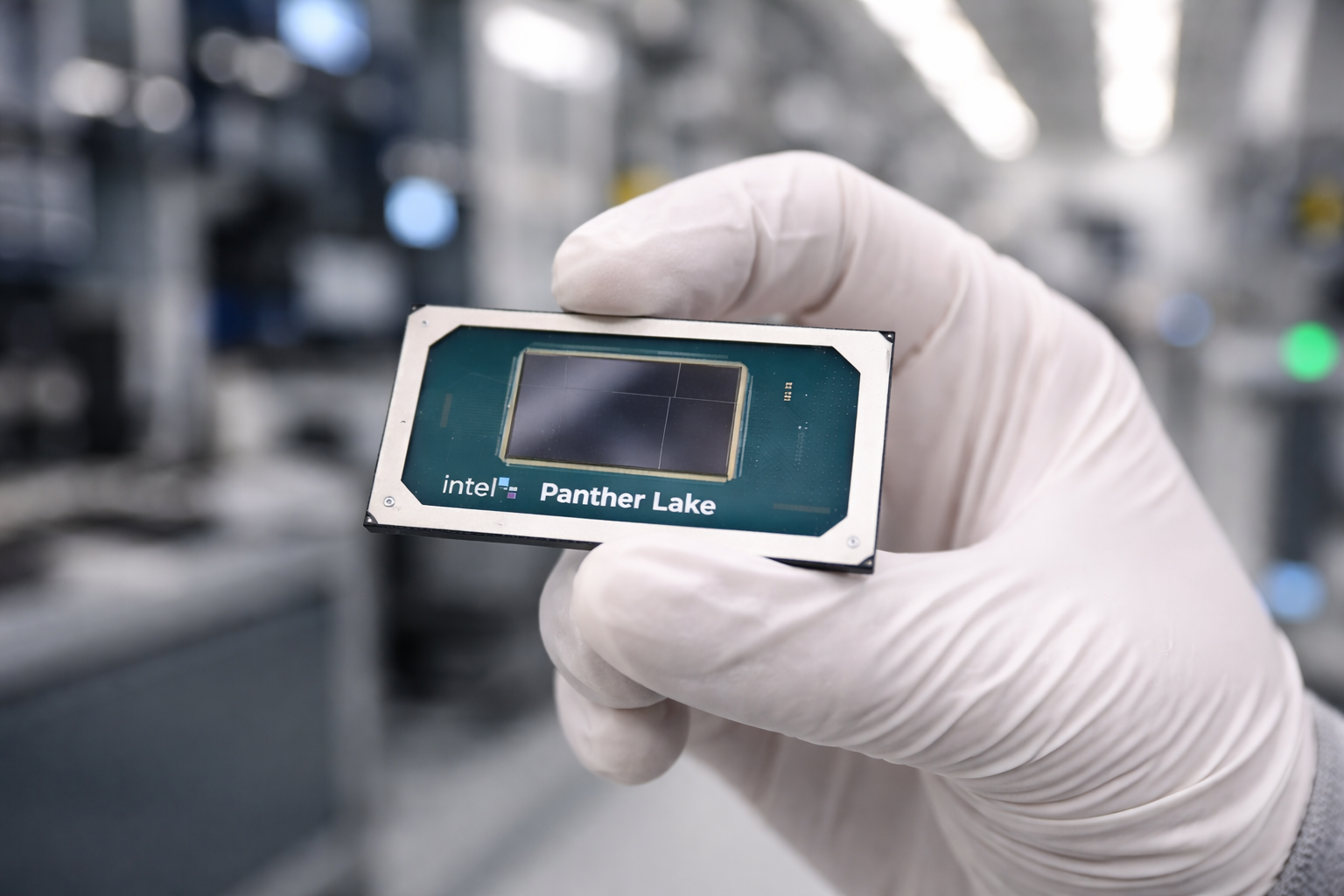
Intel has announced the launch of its next-generation Panther Lake processor, marking a major step forward in personal computing. Built on Intel’s advanced 18A manufacturing technology, the processor delivers higher performance, improved graphics, and powerful on-device AI capabilities.
The Panther Lake launch reflects Intel’s broader strategy to regain leadership in the global semiconductor market. The company is focusing on innovation, efficiency, and advanced manufacturing. With this processor family, Intel aims to power future laptops and premium PCs designed for AI-driven workloads.
What Is Panther Lake?
Panther Lake is Intel’s latest processor platform created for modern computing needs. It is positioned as a successor to earlier generations and is expected to power high-performance laptops, AI PCs, and premium consumer devices.
What sets Panther Lake apart is its use of Intel 18A, one of the most advanced chip manufacturing processes developed by the company. This technology allows Intel to build processors that deliver improved performance while using less power, making them ideal for portable devices where efficiency is critical.
Intel has stated that Panther Lake combines CPU performance, graphics capability, and AI acceleration into a single, balanced platform, addressing the growing demand for intelligent and energy-efficient computing.
Intel 18A Technology
At the core of Panther Lake is Intel 18A manufacturing technology, which introduces key innovations in how chips are built and powered.
One of the most important features of 18A is RibbonFET, Intel’s next-generation transistor design. RibbonFET allows for better control of electrical current, which results in faster processing speeds and reduced power consumption. This improvement helps deliver higher performance without increasing heat or battery drain.
Another major advancement is PowerVia, a backside power delivery system. Instead of routing power through the front of the chip, PowerVia sends power from the back, reducing congestion and improving efficiency. Together, these technologies allow Panther Lake processors to achieve better performance per watt, which is especially important for laptops and mobile devices.
Enhanced CPU Performance
Panther Lake processors can include up to 16 CPU cores, using Intel’s hybrid architecture. This design combines performance cores and efficiency cores to handle different types of workloads effectively.
Performance cores focus on demanding tasks such as content creation, software development, and multitasking, while efficiency cores manage everyday activities like browsing, streaming, and background applications. This approach ensures that users get powerful performance when needed, without unnecessary power usage during lighter tasks.
As a result, Panther Lake-based systems are expected to feel faster and more responsive while also offering longer battery life.
Improved Graphics with Intel Arc
Graphics performance is another key highlight of the Panther Lake processor. The chip integrates next-generation Intel Arc graphics, featuring up to 12 Xe cores. This represents a significant upgrade over previous integrated graphics solutions.
The improved GPU performance benefits gamers, designers, and professionals working with visual content. It also enhances everyday experiences such as video playback, creative applications, and multi-display setups.
By strengthening integrated graphics, Intel aims to reduce the need for separate graphics cards in many use cases, making devices thinner, lighter, and more energy efficient.
Built-In AI Power for the Next Generation of PCs
One of the most important features of Panther Lake is its strong focus on artificial intelligence. The processor includes a dedicated Neural Processing Unit (NPU) capable of handling up to 180 trillion operations per second.
This enables AI workloads to run directly on the device instead of relying on cloud-based processing. On-device AI improves speed, enhances privacy, and reduces dependence on internet connectivity.
AI-powered features such as real-time translation, image and video enhancement, voice recognition, and smart productivity tools can benefit significantly from this capability. Intel’s investment in AI acceleration highlights the company’s commitment to the future of intelligent computing.
Manufactured in the United States
Intel has confirmed that Panther Lake processors are being manufactured at its advanced fabrication facility in Arizona, USA. This move strengthens Intel’s domestic manufacturing efforts and reduces reliance on overseas production.
Local manufacturing offers better control over supply chains and production quality, while also supporting broader efforts to build a resilient semiconductor ecosystem. For Intel, it is a strategic advantage that supports long-term growth and competitiveness.
Availability and Market Impact
Intel plans to begin high-volume production of Panther Lake processors soon, with initial shipments expected before the end of 2025. Wider availability is planned for early 2026, when consumer devices powered by Panther Lake are expected to reach the market.
PC manufacturers are already preparing new laptops and systems built around this platform. These upcoming devices are expected to target professionals, creators, businesses, and consumers looking for high performance and AI-ready computing.
What Panther Lake Means for the PC Industry
The launch of Panther Lake signals a shift in how PCs are designed and used. Instead of focusing solely on speed, Intel is emphasizing a balanced approach that includes AI intelligence, graphics capability, and power efficiency.
For consumers, this translates into faster, smarter devices that adapt more effectively to modern workloads. Businesses will benefit from Panther Lake–based systems that can support AI-driven tools, automation, and advanced analytics directly on the device.
At an industry level, Panther Lake reinforces the growing importance of AI-powered PCs and underscores Intel’s renewed focus on innovation and advanced manufacturing.
Conclusion
Intel’s Panther Lake processor represents a major step forward in processor design and manufacturing. Built on 18A technology, it delivers improved performance, advanced AI capabilities, and better energy efficiency, making it well-suited for the next generation of personal computers.
Devices powered by Panther Lake are expected to enter the market in 2026. These systems are likely to raise expectations around performance, intelligence, and efficiency. For Intel, Panther Lake is more than a processor. It represents a clear vision for the future of computing.